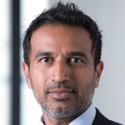
Watch charismatic and influential macroeconomist, finance expert, geopolitics adviser, sustainability specialist & development advocate, Sony Kapoor, and Chair of Fellows at Radix Big Tent, Vicky Pryce in conversation about Climate Change for a Radix Big Tent ‘Meet the Leaders’ interactive webinar where guests were encouraged to contribute. Recorded Monday 8th September 2025.
Kapoor has pedigree and was, until recently, the Interdisciplinary Professor of Climate, Finance, and Geoeconomics at the prestigious European University Institute in Florence. He has drawn on all aspects of his unique and multifaceted 25-year portfolio career that ranged across roles, disciplines and countries to develop this system-wide multidisciplinary plan for several G-20 presidencies.
Dynamic, and growing emerging economies such as India, South Africa, and Brazil uniquely have rising geopolitical heft, self-interest in tackling global warming, growing financial and technological sophistication and legitimacy in smaller low-income economies to help broker a grand bargain between the rich OECD economies in the EU, North America and Asia and low and lower middle income developing countries. Such an ambitious deal is necessary to tackle the ongoing polycrisis of sclerotic growth, financial dislocation, stagnating trade, global warming, unpayable debts, biodiversity collapse, rising conflicts, deepening polarization & sharply divergent demographic trends.
This bargain builds on the fact that while OECD economies remain financially and technologically systemic, it is emerging and developing economies that are demographically and environmentally systemic as they contain the bulk (and rising share) of global human and natural capital. A Grand Bargain that marries the surplus capital and technology in rich economies with surplus labour and the need to preserve natural capital in developing economies can double global growth, while mitigating climate change and limiting biodiversity loss, by capitalising on asymmetric demographic shifts in rich and poor economies through boosting the productivity of human and natural capital.
To listen to the interview, Click Here
Recent Comments